Updated: July 2026
Responsible Travel And Conservation In Eastern Indonesia
Responsible Travel and Conservation in Eastern Indonesia
Responsible travel in Eastern Indonesia emphasizes eco-friendly practices, cultural respect, and wildlife conservation. It involves making choices that benefit local communities and the environment, ensuring that the natural beauty of regions like Raja Ampat and Komodo National Park is preserved for future generations.
Is Raja Ampat a Sustainable Tourism Destination?
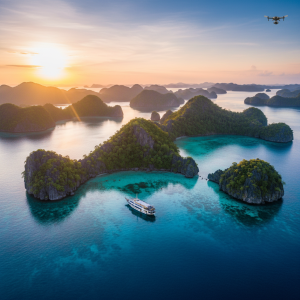
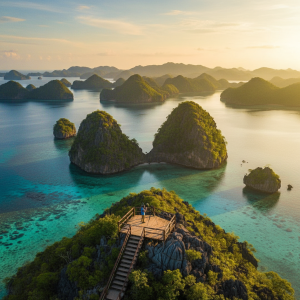
Raja Ampat has emerged as a beacon of sustainable tourism, attracting visitors with its pristine waters and abundant marine life. In 2026, eco-conscious travelers can expect to pay approximately $1,200 to $1,500 for a one-week stay in this remarkable archipelago, inclusive of accommodations and guided tours. The local government and various NGOs have implemented measures to protect the delicate ecosystems, including a marine park management system that restricts fishing and encourages sustainable tourism practices.
Many resorts in Raja Ampat operate on sustainable principles, utilizing renewable energy sources and minimizing resource consumption. For example, Misool Eco Resort, renowned for its commitment to conservation, offers guests the chance to engage in coral reef monitoring and marine species identification, reinforcing the idea that tourism can coexist harmoniously with nature.
Supporting Local Communities in Raja Ampat
Supporting local communities is crucial for the sustainability of tourism in Raja Ampat. When planning your trip, consider the following ways to contribute positively:
- Stay at Locally-Owned Accommodations: Choose guesthouses or eco-resorts that are owned and operated by local Papuans. For instance, staying at Kri Eco Resort not only provides a unique experience but also ensures that your money remains within the community.
- Participate in Cultural Experiences: Engage with local customs and traditions. Consider attending traditional dances or cooking classes that allow you to learn about Papuan culture while supporting local artisans.
- Buy Locally Made Products: Purchase handicrafts and souvenirs from local markets. This supports artisans and helps sustain their livelihoods.
- Volunteer Opportunities: Participate in community projects such as education or conservation programs. Organizations like the Raja Ampat Conservation Program often welcome volunteers to assist in their initiatives.
Eco-Friendly Liveaboards in Raja Ampat
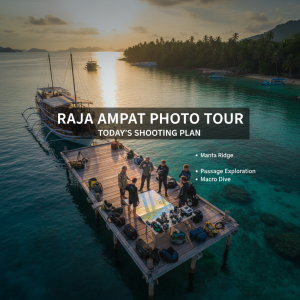
For those seeking an immersive underwater experience, eco-friendly liveaboards in Raja Ampat are an excellent choice. Liveaboards like the Raja Ampat Liveaboard and MV Mermaid II offer eco-conscious options that focus on minimizing their environmental impact.
These vessels typically use solar power, have waste management systems in place, and source their food locally. Prices for a 7-night itinerary on a liveaboard can range from $1,500 to $2,500, depending on the amenities and services offered. Dive depths in Raja Ampat vary widely, with many sites featuring walls that drop to over 40 meters, providing stunning encounters with diverse marine life.
Travelers can also take advantage of plastic-free tips for liveaboard trips. Bring your reusable water bottle, use reef-safe sunscreen, and avoid single-use plastics by packing snacks in eco-friendly containers. These small changes can significantly impact the environment and promote sustainability.
Komodo National Park Conservation Rules
Visiting Komodo National Park requires adherence to specific conservation rules instituted to protect both the land and its wildlife, particularly the iconic Komodo dragons. As of 2026, the entrance fee to the park is approximately $22 (IDR 330,000) for international visitors, and there are strict guidelines regarding wildlife interactions.
- No Feeding of Animals: Visitors are prohibited from feeding the Komodo dragons or any other wildlife.
- Stay on Designated Paths: To minimize human impact, trekkers must stay on marked trails and follow park ranger instructions.
- Respect Wildlife Distances: Maintain a safe distance from all wildlife to avoid stressing the animals and ensure your safety.
- No Littering: Carry out what you bring in, and make use of designated trash bins.
Following these rules not only enhances your experience but also ensures the preservation of this unique ecosystem for generations to come.
Ethical Wildlife Photography with Komodo Dragons
For wildlife photographers, the opportunity to capture Komodo dragons in their natural habitat is . However, ethical considerations are paramount. When photographing these incredible creatures, consider the following guidelines:
- Use Long Lenses: Maintain a safe distance by using a zoom lens. This way, you can capture intimate portraits without encroaching on their space.
- Observe Without Disturbing: Avoid loud noises or sudden movements that could startle the dragons. Patience is key; wait for them to come into view naturally.
- Respect Their Habitat: Be mindful of your surroundings and avoid trampling on vegetation that is vital to the ecosystem.
By practicing ethical wildlife photography, you can enjoy the beauty of the Komodo dragons while contributing to their conservation.
Carbon Offset for Flights to Sorong
Traveling to Raja Ampat often requires a flight to Sorong, a journey that contributes to your carbon footprint. In 2026, flights from major cities like Jakarta to Sorong typically cost between $150 to $250 (IDR 2.3 million to IDR 3.8 million), depending on the airline and time of booking. To mitigate your impact, consider investing in carbon offset programs.
Various organizations allow travelers to offset their carbon emissions by investing in renewable energy or reforestation projects. By paying a nominal fee, typically around $10 to $20, you can contribute to initiatives that help balance out the carbon emissions from your flight.
Final Thoughts on Responsible Travel in Eastern Indonesia
As a traveler in Eastern Indonesia, your choices can significantly impact the environment and local communities. From supporting sustainable tourism practices to engaging in conservation efforts, every decision you make contributes to preserving the beauty and culture of regions like Raja Ampat and Komodo National Park. Remember, responsible travel is not just about exploring new destinations; it’s about making a difference.
Frequently Asked Questions
- What is the best time to visit Raja Ampat?
- The best time to visit is between October and April when the waters are calm, and visibility for diving is excellent.
- How can I volunteer for conservation projects in Raja Ampat?
- Many organizations offer volunteering opportunities. Research local NGOs or conservation programs before your visit to find a suitable fit.
- Are there accommodations that focus on sustainability in Komodo National Park?
- Yes, several eco-friendly lodges and liveaboards in the region prioritize sustainability and conservation efforts.
Join the movement toward responsible travel and conservation in Eastern Indonesia—every action counts!
Explore more from Rajaampatphototour
- Rajaampatphototour — home
- Raja Ampat Photo Tour: Luxury Underwater & Landscape Expeditions
- Rajaampat Phototour Co. Cost & Pricing Guide
- Rajaampat Phototour Co. Packing Guide
- Photography Tips For Raja Ampat Liveaboards
- Comparing Resorts vs Liveaboards In Raja Ampat